Ingredient guide
Glyco Barrier Grape Seed Extract: Where It Comes From and Why It Is There
The grape seed in Glyco Barrier comes from the common grape vine, Vitis vinifera, and the part used is the seed. It is the sixth and last of six botanicals in the 121 mg proprietary blend, so it is the smallest share. Grape seed is the antioxidant name in the formula, rich in plant compounds called proanthocyanidins.
Key facts
- Source plant: Vitis vinifera, the common grape vine. Part used: the seed.
- Grape seed extract is listed sixth of six, so it is the smallest share of the 121 mg blend.
- It is an antioxidant extract, rich in proanthocyanidins.
- No country or supplier is printed for any single extract. The artwork carries a “foreign and domestic ingredients” mark.
- NCCIH describes grape seed extract as generally well tolerated.
- On a blood thinner? Ask your doctor first, because grape seed may raise bleeding risk.
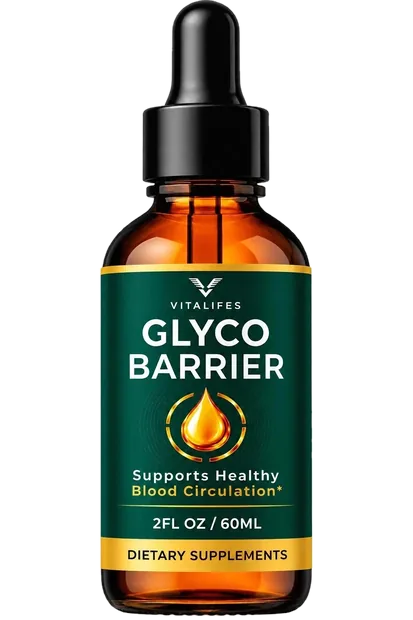
Grape seed is one of six botanicals in each 2 ml serving. The seller’s checkout page shows the live price and the return terms.
We earn a commission if you buy through this link. It does not change the price you pay.
What is the source of the grape seed in Glyco Barrier?
The panel lists the ingredient as Grape Seed Extract. The plant behind it is Vitis vinifera, the common grape vine, and the part used is the seed. Unlike some herbs on the label, the name already tells you the plant part, so no bracket is needed.
The label does not print a country, a farm or a supplier for grape seed, or for any of the other five extracts. What the artwork does carry is a “foreign and domestic ingredients” mark. It is a plain sourcing note: some raw material is grown outside the United States, even though the drops are bottled here.
If the origin matters to you, ask the seller before you order. The contact page lists both desks, and the bottle’s distributor line reads “Distributed by Vitalifes”.
What does grape seed extract do in the Glyco Barrier formula?
Grape seed is the antioxidant member of the blend. Its proanthocyanidins have shown effects on blood vessel tissue in laboratory studies, which is the usual reason grape seed appears in circulation formulas.
It sits alongside five other botanicals, each with its own role. Horse chestnut, butcher’s broom and gotu kola are the vein herbs. Chinese hawthorn is the traditional heart herb, and motherwort is a traditional extra. Grape seed adds the antioxidant side. Together they back the one claim on the front of the bottle: “Supports Healthy Blood Circulation.”
Most published research on grape seed on its own has looked at cholesterol and blood pressure. In Glyco Barrier it plays a supporting role next to the vein herbs, not the lead.
How much grape seed is in a Glyco Barrier serving?
The label prints one figure for the whole blend: 121 mg per 2 ml serving. It does not print a separate amount for each extract. There is still a useful clue. A proprietary blend must list its ingredients in descending order by weight, and grape seed is last.
| Line | Extract | Plant and part |
|---|---|---|
| 1 | Gotu kola | Leaf |
| 2 | Chinese hawthorn | Fruit |
| 3 | Horse chestnut | Not printed |
| 4 | Motherwort | Not printed |
| 5 | Butcher’s broom | Root |
| 6 | Grape seed | Vitis vinifera, seed |
So grape seed is the smallest share of the 121 mg. Research on grape seed alone has used 100 to 300 mg a day. Glyco Barrier uses it as one part of a six-herb blend instead. Our post Millilitres are not milligrams explains how to read a liquid label like this one.
Is the grape seed in Glyco Barrier right for you?
For most healthy adults, grape seed is a familiar ingredient. NCCIH describes grape seed extract as generally well tolerated. A few groups should still ask a doctor or pharmacist before the first dose.
- Blood thinners. Memorial Sloan Kettering advises talking to a healthcare provider, because grape seed extract may increase your risk of bleeding.
- Other medicines. The same source flags grape seed for drugs handled by the CYP3A4 pathway, so bring your medicine list.
- Pregnancy and breastfeeding. NCCIH notes that little is known about grape seed in pregnancy or while breastfeeding.
- Other supplements. If another product also contains grape seed, hawthorn or horse chestnut, you may take the same ingredient twice.
Glyco Barrier is sold for adults 18 and over. The label’s own caution says to check with your doctor if you use medication or have any medical condition. The safety article covers all six extracts.
Is there grape juice or sugar in Glyco Barrier?
No. Grape seed is the only grape item on the label, and it sits inside the botanical blend. The Other Ingredients line reads RO water, vegetable glycerin, natural flavor, sodium benzoate, potassium sorbate, malic acid and sucralose.
Each one has a job. Water and glycerin carry the extracts. Sodium benzoate and potassium sorbate keep a water-based liquid fresh. Malic acid sets the acidity, and natural flavor and sucralose soften the bitter taste herbal extracts often have. No sugar is listed. Our post on Glyco Barrier and sucralose covers the sweetener.
Where can you read about the other ingredients?
Grape seed makes most sense next to the rest of the formula. The ingredients page covers all six extracts, and the label facts page shows the panel line by line. For deep dives on two more botanicals, read our posts on gotu kola and motherwort.
To take the drops, shake the bottle well and take 1 ml twice daily, measured on the dropper. One 60 ml bottle holds thirty servings. The how to use page has the label wording.
Sources read for this article: Memorial Sloan Kettering Cancer Center, About Herbs (2026): Grape Seed; NCCIH, National Institutes of Health (2026): Grape Seed Extract: Usefulness and Safety.
Frequently asked questions
What is the source of the grape seed in Glyco Barrier?
The common grape vine, Vitis vinifera. The part used is the seed, and the extract is the last of six in the 121 mg blend.
Why is grape seed in Glyco Barrier?
It is the antioxidant name in the blend. Its proanthocyanidins have shown effects on blood vessel tissue in laboratory studies, which is the usual reason it appears in circulation formulas.
Can I take Glyco Barrier with a blood thinner?
Ask your doctor first. Memorial Sloan Kettering notes that grape seed extract may increase bleeding risk, and hawthorn and horse chestnut carry similar flags.
Our view
Grape seed is a well-known, generally well tolerated antioxidant, and it rounds out the Glyco Barrier formula next to the vein herbs. The source is clear: the seed of the common grape vine.
If you take a blood thinner or other medicine, show the bottle to your doctor first. Otherwise, take 1 ml twice daily, give it a full bottle and keep simple notes.
Last updated November 6, 2026
Happy with the ingredient list? One bottle is thirty days at 1 ml twice daily. Read the return terms before you pay.
We earn a commission if you buy through this link. It does not change the price you pay.